Why Regenerative Braking Is Bad for Your Brake Pads
Regenerative braking is widely hailed as a technological marvel, especially in the context of hybrid and electric vehicles (EVs). It offers a clever way to reclaim energy that would otherwise be lost in traditional friction-based braking systems, thus improving energy efficiency and extending the range of EVs. However, it might come as a surprise to many that this innovative system—designed to reduce reliance on conventional brakes—can ironically have detrimental effects on brake pads. While regenerative braking technology has numerous benefits, its unintended impact on brake pads is a topic worth exploring.
In this article, we’ll delve into why regenerative braking can be bad for your brake pads, the science behind the phenomenon, and how vehicle owners can mitigate the negative effects.
Understanding Regenerative Braking and How It Works
Before we dive into its impact on brake pads, let’s break down how regenerative braking works. In most traditional vehicles, braking relies solely on friction. When you press the brake pedal, the brake pads clamp down on the brake rotor, converting the vehicle’s kinetic energy into heat. This process slows the car down but results in wasted energy as all that heat dissipates into the atmosphere.
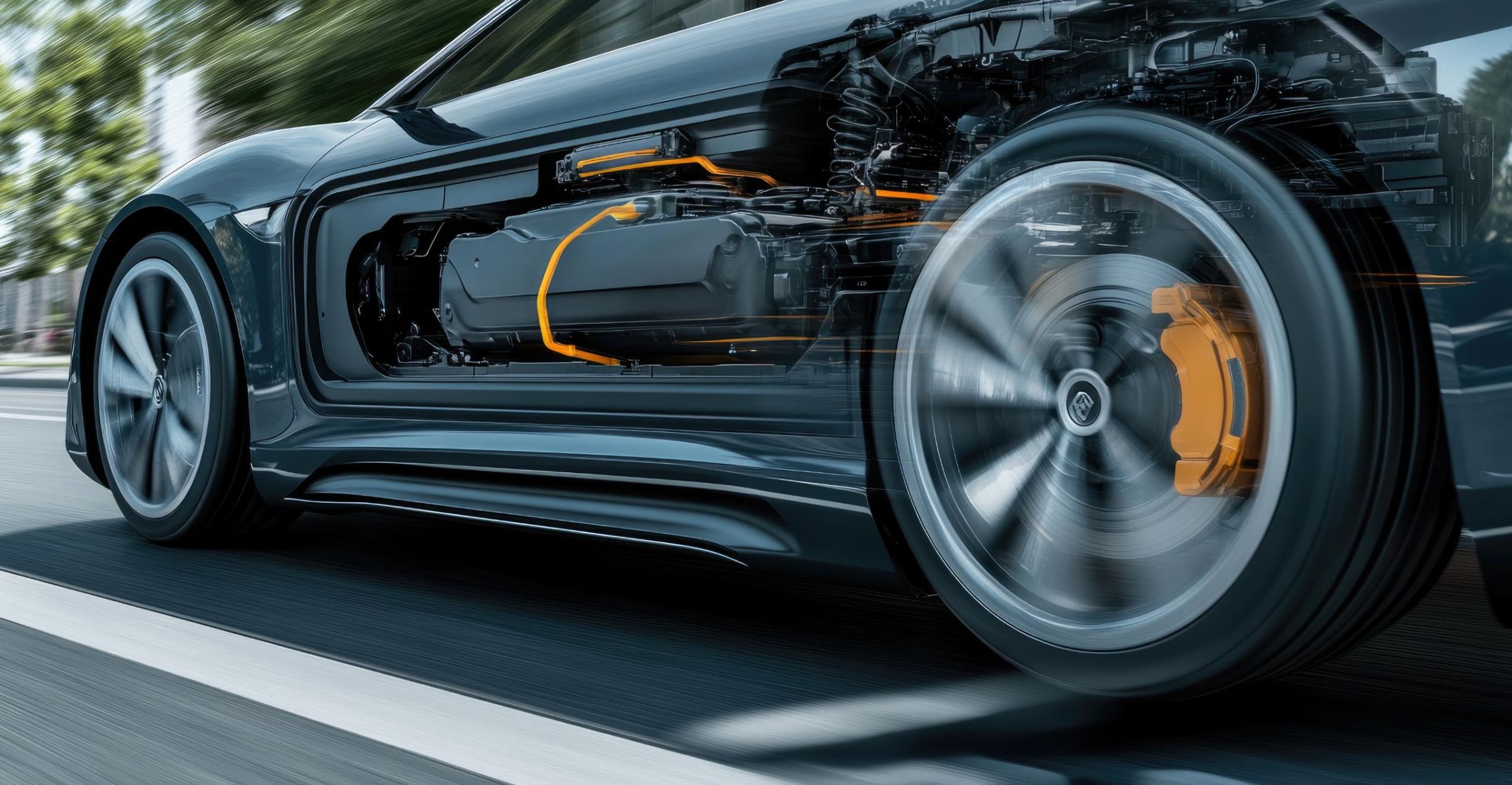
In a vehicle equipped with regenerative braking, much of the braking force is generated by an electric motor, which operates in reverse to slow the car down. During this process, the electric motor acts as a generator, recovering energy from the motion of the vehicle and feeding it back into the battery for storage. This adds to the overall efficiency of the car and reduces wear on the traditional friction brakes, particularly in normal driving conditions.
On paper, regenerative braking sounds like a win-win solution—improved energy efficiency and less frequent replacement of brake pads and rotors. However, as great as the technology may seem, several disadvantages for conventional brake system components, particularly brake pads, have started to emerge.
Why Regenerative Braking Is Bad for Brake Pads
- Brake Pad Corrosion Due to Infrequent Use
Since regenerative braking takes over a significant portion of the car’s braking duties in everyday driving scenarios, the friction brakes are often underutilized. While this sounds like a good thing for brake lifespan, it can, counterintuitively, be bad for the brake pads and rotors. Frequent use of brakes keeps them clean by preventing dirt, moisture, and rust from accumulating on the components.
When traditional brakes are only occasionally engaged, corrosion can start to form on both the brake rotors and pads. Corrosion on the brake pads reduces their effectiveness and can cause uneven wear, leading to performance issues when the friction brakes are suddenly required in an emergency.
- Uneven Wear on Brake Pads and Rotors
Without frequent use, heat and pressure are not evenly distributed across the brake pads and rotors. When the friction brakes are finally engaged—such as during sudden stops, hard braking, or emergency situations—the brake pads can produce uneven wear patterns. Brake pads are designed to wear down gradually under regular use, but regenerative braking interrupts this normal wearing process. Over time, uneven wear can reduce braking performance and compromise safety.
- Glazing of Brake Pads
Another issue that can arise is glazing. Glazing happens when brake pads overheat, causing a thin, shiny layer to form on their surface. This problem often emerges because of the sudden engagement of friction brakes from prolonged inactivity. In vehicles with regenerative braking, this issue can occur when a driver presses hard on the brake pedal during a rare instance of friction braking. Glazed brake pads lose their ability to grip the rotor effectively, leading to reduced braking performance and, in some cases, squealing noises or vibrations.
- Brake Pad Deterioration from Contaminants
Because regenerative braking takes on the majority of stopping duties, friction brakes are often exposed to contaminants such as dirt, road debris, and moisture. Without friction brakes being frequently used (and thus heated up to burn off these contaminants), brake pads can accumulate grime and degrade faster than expected. The result is a loss in braking performance, even though the brake pads may appear to have plenty of material left.
- Increased Risk of Brake Fade in Emergencies
Brake fade refers to the loss of braking effectiveness due to overheating. While regenerative braking reduces the likelihood of conventional brake systems overheating during normal driving, infrequent use of the friction brakes can leave them unprepared for emergency braking situations. If the friction brakes are rusty, glazed, or otherwise compromised, they may not provide full stopping power when needed most, increasing the risk of accidents.
- Brake Pads and Rotors Age Regardless of Use
It’s important to remember that brake pads and rotors age over time, even if they’re not heavily used. Friction components are exposed to the elements, and the materials can deteriorate due to environmental factors like humidity and temperature fluctuations. With regenerative braking reducing the frequency of friction brake engagement, these components have less opportunity to “self-maintain” through regular use, resulting in accelerated aging.
How to Mitigate the Negative Impacts of Regenerative Braking on Brake Pads
While regenerative braking has inherent issues for brake pads, there are steps you can take to mitigate its negative effects and prolong the life of your braking system:
- Perform Regular Maintenance Checks
Schedule regular inspections of your brake pads and rotors to check for corrosion, wear, or glazing. Early detection of these issues can prevent further damage and ensure optimal braking performance. - Use the Friction Brakes Periodically
One simple way to counteract the problem of underutilized friction brakes is to manually apply them periodically. For example, you can gently apply the brakes when approaching a stop instead of fully relying on regenerative braking. - Drive Proactively
Adopting a proactive driving style—anticipating stops and slowing down gradually—can help you strike a balance between regenerative and friction braking. - Keep the Braking System Clean
Clean your brake components regularly to remove dirt, debris, and rust that may build up on the pads and rotors. Keeping these parts clean will help enhance their performance and lifespan. - Install Quality Brake Components
High-quality brake pads and rotors are often more resistant to the effects of rust and wear. Look for components made from materials specifically designed for vehicles equipped with regenerative braking. - Follow Manufacturer Recommendations
Adhere to the maintenance guidelines provided in your vehicle’s owner’s manual. Manufacturers often include recommendations for maintaining brakes in cars with regenerative systems.
Conclusion
Regenerative braking is a brilliant advancement in automotive engineering, bringing improved energy efficiency and reduced emissions to modern vehicles. However, as with all technologies, it comes with its drawbacks. By reducing reliance on traditional friction brakes, regenerative braking can unintentionally cause issues such as brake pad corrosion, uneven wear, and glazing. These issues arise because friction components are simply not being used or maintained in the same way they are in vehicles without regenerative systems.
Ultimately, the key to preserving both the benefits of regenerative braking and the health of your brake pads lies in proactive care and regular maintenance. Understanding how regenerative braking affects your vehicle’s braking system allows you to take preventive measures and ensure your brakes remain reliable when you need them most. Whether you’re driving a hybrid or a fully electric car, proper maintenance is essential for maximizing safety and extending the life of your brake components.